Understanding the Power of Shock Wave Therapy

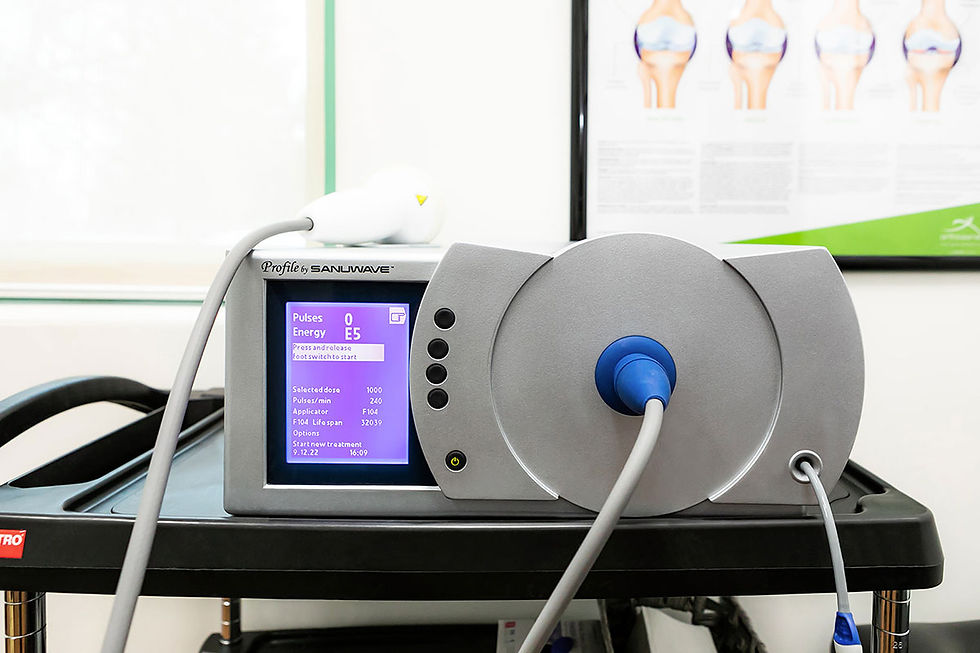
When pain or injury slows you down, finding effective relief is a top priority. I’ve seen many people, from weekend warriors to busy parents, discover a remarkable option that helps them get back to their active lives. It’s called extracorporeal shock wave therapy, and it’s changing the way we think about healing and wellness. Let me walk you through what it is, how it works, and why it might be the solution you’ve been searching for.
What Is Shockwave Treatment and How Does It Work?
Shockwave treatment uses sound waves to stimulate healing in injured tissues. These waves are high-energy pulses that travel through the skin and reach deep into muscles, tendons, and bones. The goal is to encourage your body’s natural repair processes without surgery or medication.
Here’s a simple way to think about it: imagine your body as a garden. Sometimes, certain areas need a little extra help to grow strong again. Shockwave therapy acts like a gentle rainstorm, waking up the roots and encouraging new growth. It increases blood flow, reduces inflammation, and breaks down scar tissue or calcium deposits that might be causing pain.
The treatment is non-invasive and usually takes about 10 to 15 minutes per session. You might feel some mild discomfort during the procedure, but it’s generally well-tolerated. Most people notice improvement after just a few sessions.

The Benefits of Shockwave Treatment You Should Know
There are many reasons why shockwave treatment is gaining popularity, especially for those who want to avoid surgery or long-term medication. Here are some of the key benefits:
Non-invasive and drug-free: No needles, no incisions, and no pills. This makes it a safe option for many people.
Speeds up healing: By stimulating blood flow and cell regeneration, it helps your body repair itself faster.
Reduces pain and inflammation: Many patients experience significant pain relief after just a few treatments.
Improves mobility: As pain decreases, movement becomes easier and more natural.
Effective for various conditions: It’s used for plantar fasciitis, tennis elbow, Achilles tendonitis, and more.
Minimal downtime: You can usually return to your daily activities right after treatment.
If you’re someone who enjoys staying active or needs to get back on your feet quickly, these benefits can make a big difference.
Does Shockwave Therapy Work for Shoulder Tendonitis?
Shoulder tendonitis can be a stubborn and painful condition. It happens when the tendons around your shoulder joint become inflamed, often due to repetitive motion or injury. Many people wonder if shockwave therapy can help with this specific issue.
The answer is yes, it often does. Shockwave treatment targets the inflamed tendons and encourages healing by increasing blood circulation and breaking down damaged tissue. This can reduce pain and improve shoulder function over time.
In fact, studies and patient experiences show that shockwave therapy can be a valuable part of a comprehensive treatment plan for shoulder tendonitis. It’s especially helpful when other treatments like rest, physical therapy, or anti-inflammatory medications haven’t provided enough relief.
If you’re dealing with shoulder pain that won’t quit, discussing shockwave therapy with your healthcare provider could open up new possibilities for recovery.
How to Prepare for and What to Expect During Treatment
If you decide to try shockwave therapy, it’s good to know what to expect. Preparation is simple:
Wear comfortable clothing that allows easy access to the treatment area.
Avoid applying lotions or oils on the skin before your session.
Inform your provider about any medications or health conditions.
During the session, you’ll lie down or sit comfortably while the therapist applies the shockwave device to the affected area. The sensation can feel like tapping or mild pressure. Some people describe it as a tingling or slight discomfort, but it’s usually brief and manageable.
After treatment, you might experience some redness or mild swelling, which typically fades within a day or two. It’s important to follow any aftercare instructions, such as avoiding strenuous activity for a short period.
Most people undergo 3 to 5 sessions spaced about a week apart. Your provider will tailor the plan based on your condition and response to treatment.
Who Can Benefit Most from Shockwave Therapy?
Shockwave therapy is versatile and can help a wide range of people. Here are some examples:
Athletes: Whether you’re a runner, cyclist, or weekend sports enthusiast, shockwave therapy can speed up recovery from common injuries.
Active families: Kids and adults alike can benefit from faster healing of strains or overuse injuries.
Those with chronic pain: If you’ve struggled with conditions like plantar fasciitis or tennis elbow for months or years, this treatment offers a new approach.
People avoiding surgery: For many, shockwave therapy is a less invasive alternative that can delay or eliminate the need for surgery.
At All For Your Health, we focus on helping you achieve an active, pain-free life. Combining shockwave therapy with chiropractic care, massage, and assisted stretch therapy creates a holistic approach that supports your long-term wellness.
Taking the Next Step Toward Healing
If you’re curious about how extracorporeal shock wave therapy might fit into your wellness journey, the best thing to do is reach out and have a conversation. A personalized assessment can help identify if this treatment is right for you.
Remember, healing is a process, and every step you take brings you closer to feeling your best. With the right care and support, you can overcome pain and enjoy the activities you love.
At All For Your Health, we’re here to guide you every step of the way. Let’s work together to unlock the power of shockwave treatment and help you move forward with confidence and comfort.


Comments